
GRC Solutions is a compliance training and GRC technology provider that delivers DEI (Diversity, Equity and Inclusion) training as part of its award-winning Workplace Behaviours course suite, powered by the Salt Compliance Learning Management System. It serves mid- to large-sized regulated organisations across Australia, New Zealand, Singapore and Hong Kong seeking audit-ready, compliance-linked DEI training.
Build an Inclusive, Audit-Ready Workplace
| What DEI Training Does | Primary Outcome | Who It’s For |
|---|---|---|
| Develops awareness, practical skills and inclusive workplace behaviours. | Creates a more inclusive workplace supported by measurable learning outcomes and positive organisational culture. | Compliance leaders, risk professionals, HR teams, learning and development managers, people leaders and executives. |
Modern organisations need more than awareness training. Effective DEI training helps employees understand unconscious bias, strengthen inclusive communication, create equitable opportunities, and contribute to a fair and respectful environment. For regulated organisations, it also supports broader governance, risk and compliance objectives.
GRC Solutions combines engaging learning content with reporting and audit capabilities through Salt LMS, helping organisations demonstrate progress, support workplace culture initiatives and align training programs with broader risk management objectives.
What is DEI Training?
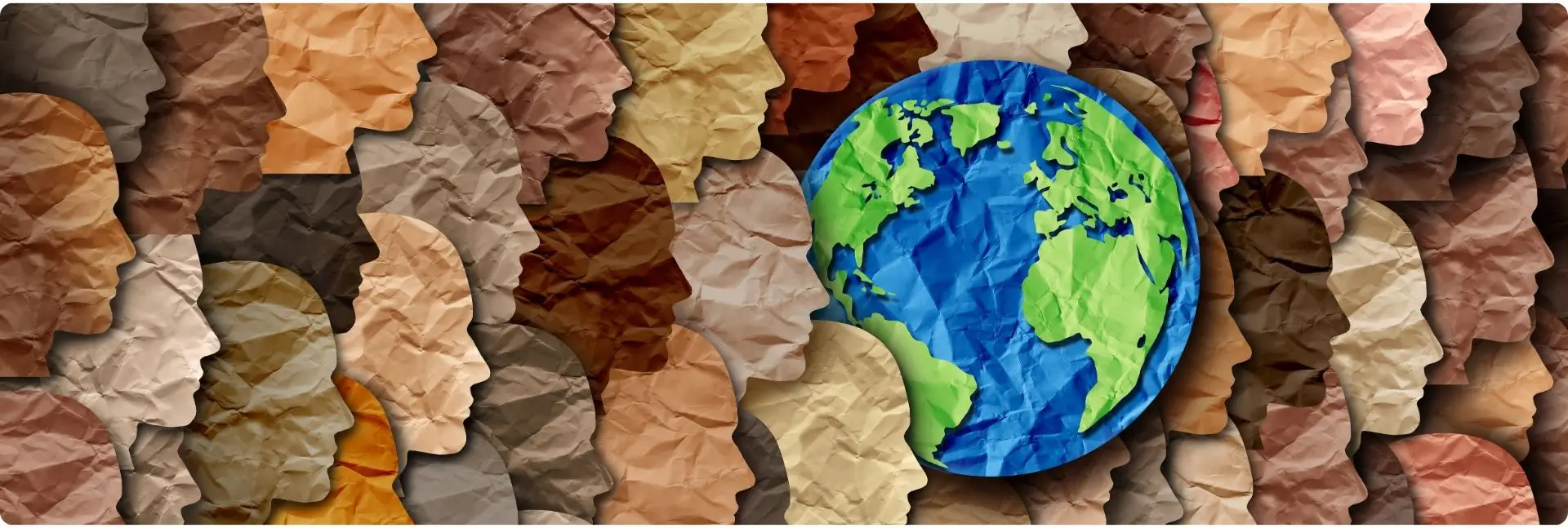
DEI (Diversity, Equity and Inclusion) training is workplace education designed to build awareness of unconscious bias, promote inclusive leadership, and support equitable practices in hiring, promotion and day-to-day collaboration. It typically combines awareness-raising, skills-based learning and measurement of culture and retention outcomes.
DEI training helps organisations create an inclusive environment where employees from different backgrounds feel valued, respected and able to contribute diverse perspectives. Effective DEI training goes beyond awareness. It equips leaders and individual contributors with practical tools to improve decision making, foster inclusive behaviour and support inclusive cultures across the organisation.
Unlike generic diversity training, DEI training can be integrated into broader governance and compliance frameworks, making it especially relevant for regulated industries. When delivered as part of a structured learning program, it can support organisational objectives relating to workplace culture, employee retention, psychological safety and leadership development.
Learn more about GRC Solutions’ broader Workplace Behaviours offering: Workplace Behaviours Training.
The Problem DEI Training Solves
One-Time Awareness Training Rarely Changes Behaviour
Many organisations invest in awareness training but struggle to achieve long-term success because learning is treated as a standalone initiative. A single live workshop may raise awareness but often fails to create lasting behavioural change.
The most effective DEI training embeds learning over time through scenario-based modules, refresher programs and actionable strategies that help employees apply concepts in real workplace situations. This creates a stronger foundation for inclusive communication, active listening and inclusive management practices.
Difficulty Demonstrating Compliance and Accountability
Compliance and risk leaders increasingly need evidence that workplace training programs have been completed and understood. Generic DEI programs often lack reporting structures, completion tracking and audit-ready records.
For organisations operating in highly regulated environments, completion data, training histories and reporting capabilities can be just as important as the learning content itself. A structured learning platform helps create accountability across leaders, managers and employees while supporting board-level and executive reporting requirements.
A Disconnect Between DEI Training and Australian Workplace Obligations
Many DEI training programs focus exclusively on culture and awareness but fail to connect learning outcomes with Australian workplace obligations.
Organisations are increasingly expected to address respectful workplace behaviours, psychosocial risks and fair workplace practices through meaningful preventative measures. DEI training can contribute to these objectives by reinforcing inclusive leadership, reducing exclusionary behaviours and supporting a respectful environment where employees feel safe to contribute.
Related resources:
How DEI Training Works
Step 1: Build Awareness of Unconscious Bias
The learning journey typically begins with unconscious bias training. Participants explore how automatic assumptions and cognitive shortcuts can influence interactions, decision making, recruitment and performance management.
Learners are encouraged to identify their own biases and understand how unconscious bias can impact workplace outcomes for certain groups and underrepresented employees.
Step 2: Develop Inclusive Leadership Skills
Leaders play a critical role in shaping company culture. Inclusive leadership modules focus on helping leaders learn how to create equitable opportunities, manage diverse teams and support employees from diverse backgrounds.
Topics may include inclusive communication, active listening, inclusive meetings, fair access to opportunities and strategies for addressing systemic barriers.
Step 3: Apply Learning Through Real-World Scenarios
Knowledge alone does not change behaviour. Effective DEI training incorporates workplace-based scenarios that allow learners to practise responses and apply new skills.
Scenario-based learning can address microaggressions training, respectful communication, inclusive behaviour and cultural competence in realistic workplace contexts.
Step 4: Measure Completion and Engagement
Training effectiveness improves when organisations can track progress. Through Salt LMS, organisations can monitor completion rates, generate reports and maintain auditable training records.
This gives compliance teams visibility into engagement levels while supporting governance and accountability objectives.
Step 5: Reinforce Learning Through Refresher Training
Building inclusive cultures is an ongoing process rather than a one-time event. Refresher modules help reinforce key concepts and ensure training remains relevant as workplace expectations evolve.
Regular learning cycles support stronger retention of key concepts and help organisations maintain momentum toward DEI goals.
DEI Training Use Cases
Reducing Turnover and Improving Employee Retention
Employees are more likely to remain with organisations where they feel respected, supported and included. DEI initiatives that focus on equitable opportunities and inclusive workplace practices can contribute to stronger engagement and retention outcomes.
By creating a fair and respectful environment, organisations can strengthen workplace culture and improve long-term performance.
Manager and Leadership Development
Inclusive leadership has become a critical capability for managers. DEI training helps leaders understand how their behaviours influence team culture and employee experiences.
Training supports better decision making, more inclusive management approaches and stronger collaboration across diverse employees and global teams.
Compliance and Board Reporting
For compliance leaders, visibility matters. Salt™ LMS reporting capabilities provide organisations with the ability to demonstrate training completion and participation across departments and leadership groups.
This supports governance requirements while helping organisations measure the reach and effectiveness of DEI programs.
Supporting Cultural Inclusion Initiatives
Organisations seeking to deepen cultural awareness can combine DEI training with specialised workplace learning programs.
Relevant learning pathways include:
Together, these programs help create inclusive workplaces where employees from different cultural backgrounds feel respected and supported.
Addressing Psychological Safety and Workplace Risk
Psychological safety is closely linked to inclusion. Employees are more likely to contribute ideas, raise concerns and participate fully when they feel safe doing so.
DEI training complements broader psychosocial risk management initiatives by helping foster respectful interactions, inclusive communication and supportive team dynamics.
Related program: Psychosocial Hazards Training
Why Choose GRC Solutions for DEI Training?
Unlike generic providers, GRC Solutions approaches DEI training through a governance, risk and compliance lens.
Key differentiators include:
- Compliance-led training design
- Content developed by compliance, risk and educational specialists
- Integration with Salt Compliance LMS
- Reporting and audit trail capabilities
- Support for regulated industries
- Alignment with broader workplace behaviours and risk management objectives
- Flexible deployment across organisations of varying sizes
- Australian market expertise
This approach helps organisations move beyond awareness training and implement effective DEI training that supports measurable outcomes.
How Much Does GRC Solutions’ DEI Training Cost?
Pricing varies depending on:
- Number of learners
- Delivery model
- Licensing requirements
- Salt LMS requirements
- Multi-course program bundles
- Reporting and administration needs
Contact us for a tailored quote or demonstration.
Frequently Asked Questions About DEI Training
What is DEI training?
DEI training is workplace learning that helps employees understand diversity, equity and inclusion principles. It typically addresses unconscious bias, inclusive communication, inclusive leadership and practical strategies for creating more equitable workplace experiences.
Why is DEI training important for a business?
DEI training helps organisations strengthen workplace culture, improve employee engagement, support inclusive behaviour and create environments where diverse employees can contribute effectively. It also supports broader organisational goals relating to risk management and employee experience.
What are the types of DEI training?
Common types include unconscious bias training, inclusive leadership training, cultural competence training, microaggressions training, respectful workplace programs and psychological safety programs. Many organisations combine multiple learning modules into a broader DEI strategy.
What are best practices for effective DEI training?
The most effective DEI training is ongoing rather than a one-time event. Best practices include scenario-based learning, leadership involvement, measurable outcomes, regular refreshers, practical application and training aligned to organisational goals.
How do you measure the impact of DEI training?
Organisations typically assess completion rates, learner engagement, employee feedback, workplace culture indicators, retention trends and leadership participation. Reporting tools within an LMS can assist with measurement and accountability.
Is DEI training suitable for regulated industries?
Yes. Regulated industries often benefit from DEI training because it can be integrated into broader governance, risk and compliance programs. Reporting and audit capabilities are particularly valuable where training evidence is required.
Is there a free trial available?
Trial availability should be confirmed directly with GRC Solutions. Organisations interested in evaluating the training can request a product demonstration or consultation.
Why is GRC Solutions different from generic DEI providers?
GRC Solutions combines DEI learning outcomes with compliance expertise, structured reporting and LMS capabilities. This creates stronger alignment between cultural objectives and organisational governance requirements.
Trusted Resources
For further information on diversity, inclusion and workplace equity:
- Australian Human Rights Commission – Employers Resources
- Diversity Council Australia – Inclusion at Work Index
- Workplace Gender Equality Agency Reporting
- DEI Knowledge Base Reference
Book a DEI Training Demo
Create a more inclusive workplace with compliance-led DEI training designed for regulated organisations.
Request a demo today and see how GRC Solutions can help build an inclusive, audit-ready workplace culture.